Turtleneck sweater · Product Ad
Turtleneck sweater · Product Ad. Critical check: stitch scale and rib direction. Includes a customizable prompt, production steps and a downloadable brief.
Make it your product.
Replace the example details. Your prompt updates as you type.
Describe the actual product, not a marketing claim.
List visible materials and finishes.
Include the shape, color, and details to preserve.
Describe the surface, background, and lighting context.
Choose a composition for your project.
Your product details stay in this tab. No upload or AI generation takes place here.
Your product prompt
Editable details · EnglishProduct name: Turtleneck sweater Materials: soft wool-blend fabric with a visible nap Color & details: visible knit stitches, joined shoulder panels, sleeve cuffs and ribbed hem Background & scene: a neutral studio with a pale gray background and soft directional light Aspect ratio: 9:16 Plan a 15-second product advertisement as four independently produced shots: 0–3 seconds, a still construction detail; 3–7 seconds, one slow lateral camera slide revealing the complete silhouette; 7–12 seconds, a fixed medium view highlighting the chosen detail; 12–15 seconds, a still complete-product frame with space for a closing line added in editing. Keep the product, set and lighting consistent. Do not generate embedded branding or unverified performance claims. Critical check: stitch scale and rib direction.
The 15-second storyboard
Produce each shot separately, then edit.- Shot 100:00–00:03
Turtleneck sweater · visible knit stitches, joined shoulder panels, sleeve cuffs and ribbed hem. Critical check: stitch scale and rib direction.
CameraLocked camera; steady framing.
Voiceover“A closer look.”
What you needPrepare a clear reference of Turtleneck sweater, showing visible knit stitches, joined shoulder panels, sleeve cuffs and ribbed hem. Use it in your chosen external tool.
- Shot 200:03–00:07
Turtleneck sweater · a neutral studio with a pale gray background and soft directional light.
CameraOne slow lateral slide; product stationary.
Voiceover“See the whole design.”
What you needPrepare one master reference and matching detail, full-view and closing frames. Confirm the closing copy before producing clips.
- Shot 300:07–00:12
soft wool-blend fabric with a visible nap · visible knit stitches, joined shoulder panels, sleeve cuffs and ribbed hem. Critical check: stitch scale and rib direction.
CameraLocked camera; steady framing.
Voiceover“Notice this detail.”
What you needCompare proportions, color and repeated details across cuts. Time the final voiceover aloud; shorten it if it exceeds the allocated interval.
- Shot 400:12–00:15
Turtleneck sweater · a neutral studio with a pale gray background and soft directional light · 9:16.
CameraLocked camera; steady framing.
Voiceover“Explore the product.”
What you needKeep the original product reference and add approved branding only after the visual structure is correct.
Make the shot
- 1
Before you start
Prepare one master reference and matching detail, full-view and closing frames. Confirm the closing copy before producing clips.
- 2
Make the shot
Produce each shot separately, use only the specified camera movement and trim to the four time intervals. Record a short voiceover and check every cut.
- 3
Critical check
Preserve the reference construction: visible knit stitches, joined shoulder panels, sleeve cuffs and ribbed hem. Critical check: stitch scale and rib direction.
- 4
Check before using
Compare proportions, color and repeated details across cuts. Time the final voiceover aloud; shorten it if it exceeds the allocated interval.
Check before using
- Preserve the reference construction: visible knit stitches, joined shoulder panels, sleeve cuffs and ribbed hem.
- Keep the visible material plausible: soft wool-blend fabric with a visible nap.
- Critical check: stitch scale and rib direction.
- No invented specifications, labels, measured results or additional components.
Template updated
Common adjustments
The construction differs from the reference
Simplify the angle, keep the reference visible and repeat these constraints near the start: visible knit stitches, joined shoulder panels, sleeve cuffs and ribbed hem. Recheck stitch scale and rib direction.
The material looks artificial
Return to the actual material reference: soft wool-blend fabric with a visible nap. Reduce exaggerated shine, blur and decorative effects before adding detail.
The framing or identity drifts
Reuse the same reference, remove competing movements and produce one simpler image or shot at a time. Compare each result before assembling the final work.
Planning another product video?
Choose a format and use the separate script generator to draft a 15-second plan.
More product stories to explore
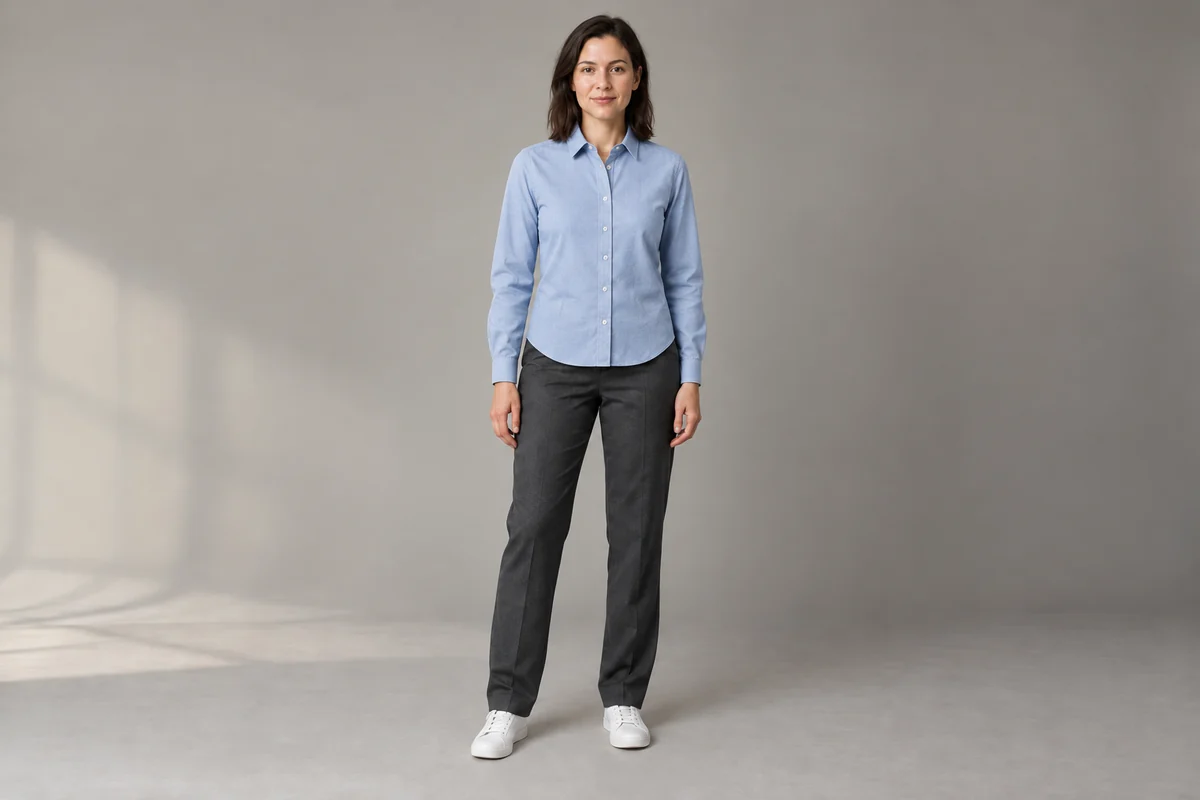
Cotton shirt · Model outfit change
Cotton shirt · Model outfit change. Critical check: collar shape and button count. Includes a customizable prompt, production steps and a downloadable brief.
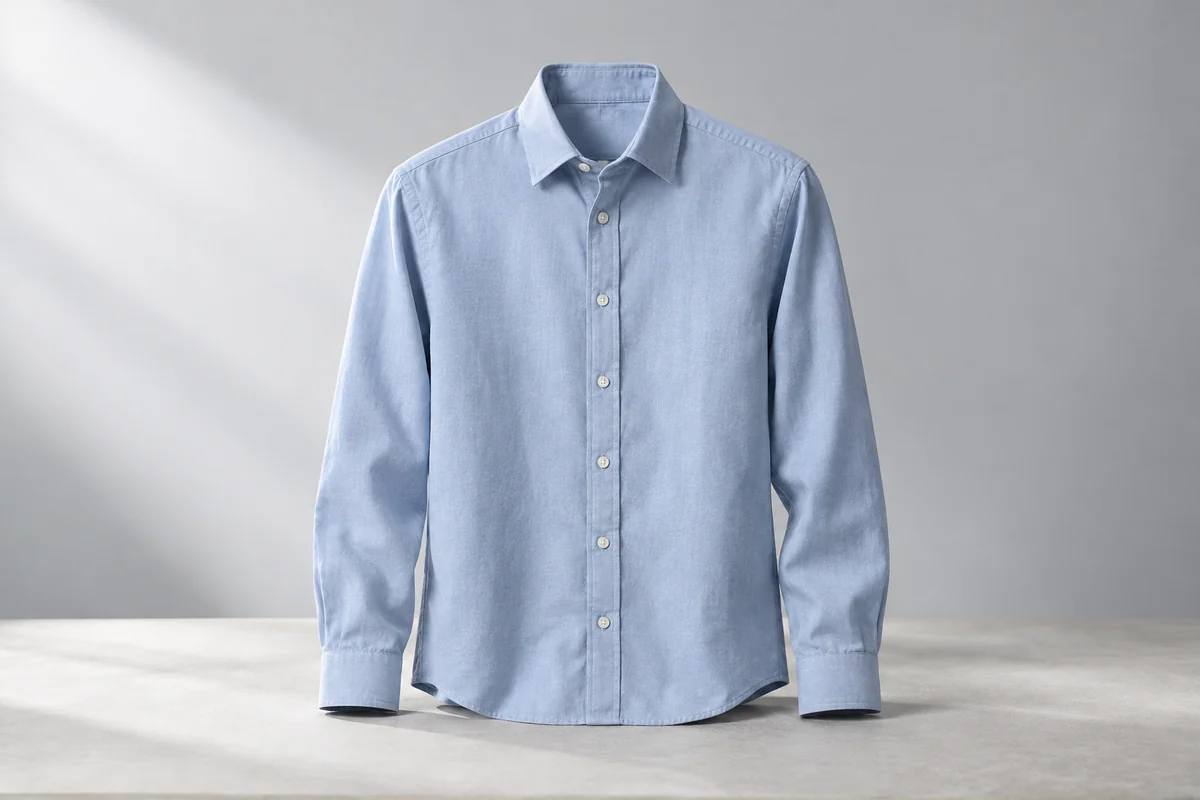
Cotton shirt · Hero Image
Cotton shirt · Hero Image. Critical check: collar shape and button count. Includes a customizable prompt, production steps and a downloadable brief.
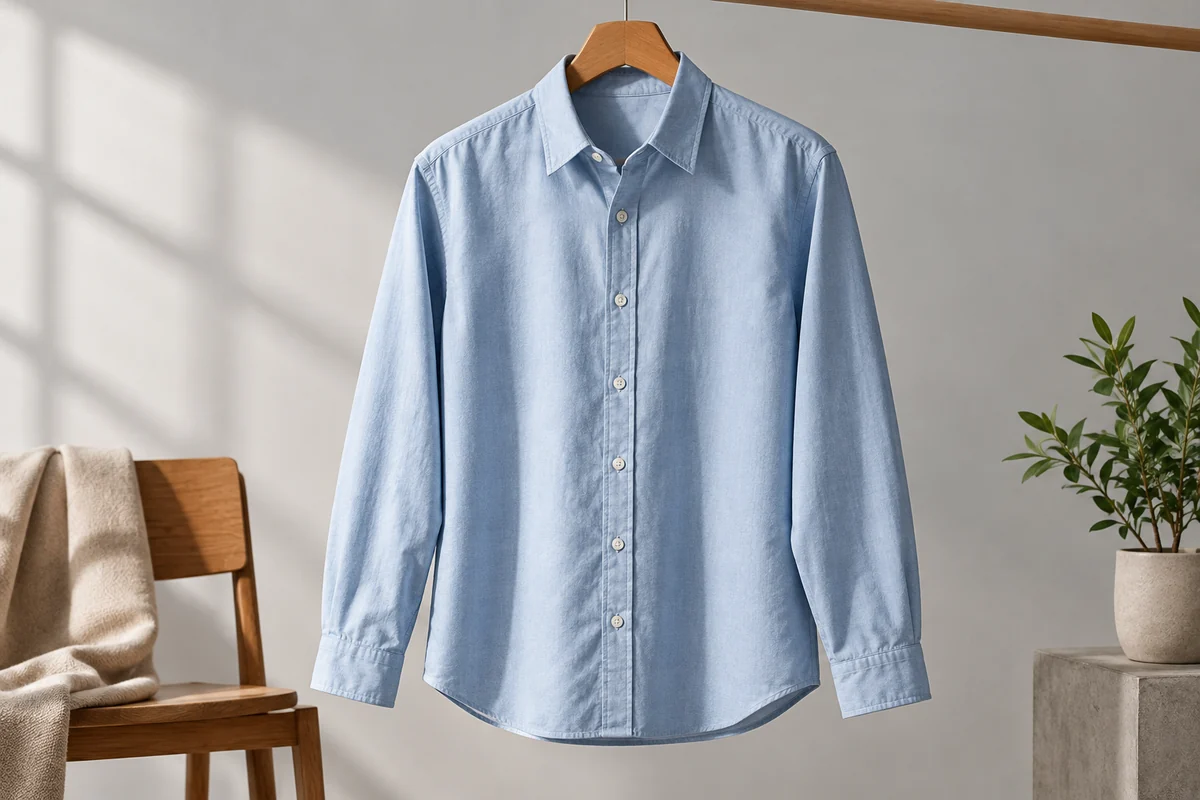
Cotton shirt · Lifestyle Image
Cotton shirt · Lifestyle Image. Critical check: collar shape and button count. Includes a customizable prompt, production steps and a downloadable brief.